A Koos vs Octavius conversation, from vineyard to bottle
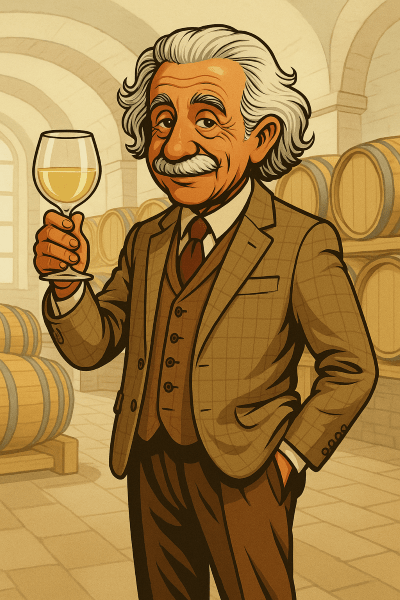
Harvest & Philosophy
Octavius Pinot
“Chardonnay is the white grape that loves to play dress-up — neutral by nature but brilliant at showing where and how it’s raised. In Stellenbosch, I look for balance: sugars ripe, acids still bright, flavours leaning to citrus and stone fruit.”
Koos Grenache
“Different vibe from Sauvignon, hey? We let Chardonnay hang a bit longer — more sun, more flavour — but still cool mornings, careful picking. Whole bunches straight to the press; no skins, no tannin, just pure juice.”
Pressing & Juice Prep
Octavius
“Most wineries use pneumatic presses — gentle, even pressure, perfect for clean juice. Some smaller estates still use basket presses for special batches — slower, but gives a touch more control.”
Koos
“Plus, nothing beats the romance of a basket press for your Instagram feed.”
Fermentation: Oak, Concrete & Steel
Octavius
“Styles vary widely — some wineries go 100% oak, others barely touch wood. My favourite estate in Stellenbosch uses about 80% oak barrels — a mix of first, second, and third fill. First fill gives spice and structure, older barrels add subtle texture. Most South African winemakers favour French oak, and in this case the estate uses medium-toasted, tight-grained barrels from a Burgundian cooper, which lend finesse rather than heavy oak flavours.”
Koos
Grins
“I know which wine you’re talking about. Definitely a South African icon.”
Octavius
“The rest ferments in concrete-eggs — incredible for subtle oxygen exchange and natural lees movement — and a small portion in stainless steel for freshness.”
Koos
“Not every Chardonnay is wooded, mind you. Plenty of fresh, unoaked versions out there — just like Sauvignon Blanc, or even unwooded Chenin, which is another local favourite.”
Lees & Maturation
Octavius
“After fermentation, the wine is aged on lees for about ten months, stirring occasionally — bâtonnage — to build creaminess and nutty complexity.”
Koos
“It’s like sourdough for wine — gives you that rich, buttery mid-palate.”
Fining & Modern Practice
Octavius
Fining & Modern Practice
Octavius Pinot
“Chardonnay is usually fined to clarify and stabilisingit — these days, most winemakers use vegan-friendly agents like pea protein or bentonite. Same clarity, cleaner process, no fuss.”
Filtration & Bottling
Octavius
“After maturation, the wine is filtered and bottled — usually under Diam corks on this estate. They’re technical corks: natural cork particles bound together and cleaned to remove cork taint. You get the classic cork pop, but none of the risk, however natural cork and screw caps are used for Chardonnay. ”
Koos
“Diam’s like cork with a degree — behaves like natural cork but never lets you down.”
The Difference in the Glass
Octavius
“Chardonnay is textural, layered, often creamy — a canvas for oak, lees, and terroir. Sauvignon Blanc is about pure fruit and freshness. Different moods, different meals.”
Koos
“Chardonnay whispers; Sauvignon shouts. Both hit the spot — depends on the day.”
Key Takeaways
- Whole bunch pressing, crush and de-stalk, no skin contact.
- Fermentation split: oak barrels (varying fills), concrete eggs, stainless steel.
- Lees aging & bâtonnage for 9–10 months = texture and depth.
- Not all Chardonnay is wooded — unoaked styles also thrive.
- Closures: Diam corks (cork-like, taint-free, age-worthy), natural cork and screwcaps.
- Contrast: Sauvignon Blanc & unwooded Chenin = fresh and quick; Chardonnay = textured and ageable.
 About Uncorked and Curious
Leave a comment